
Quick Answer
THCA flower is raw, unprocessed cannabis that contains high concentrations of tetrahydrocannabinolic acid (THCA) — the non-intoxicating precursor to Delta-9 THC[1]. When THCA flower is smoked, vaped, or exposed to heat, a process called decarboxylation converts THCA into Delta-9 THC, producing the same psychoactive effects as traditional cannabis[2]. Because THCA itself is not currently a scheduled substance under federal guidelines, it has emerged as a widely available product in the hemp market, though legal interpretations continue to evolve and consumers must exercise extreme caution regarding local laws[3].
Key Takeaways
- THCA is the raw, acidic form of THC found in unheated cannabis — it converts to intoxicating Delta-9 THC when smoked or vaped
- THCA flower looks, smells, and smokes virtually identically to traditional cannabis flower
- Lab-tested THCA flower commonly reaches 20–30% THCA, with some premium strains exceeding 30%[4]
- The terpene profile of a THCA flower strain determines its aroma, flavor, and the character of its effects
- THCA flower legality remains highly complex and rapidly changing — consumers must verify current local laws before purchasing or possessing
Introduction
If you've been shopping at a hemp retailer or browsing online cannabis marketplaces, you've almost certainly encountered THCA flower. For many consumers — especially those new to cannabis or living outside traditional recreational markets — the term can be confusing. Is it the same as weed? Does it get you high? Is it legal? The short answers are: essentially yes, yes when heated, and it depends heavily on constantly changing local regulations. Understanding what THCA flower actually is helps you make smarter, safer purchasing decisions and choose strains that genuinely match what you're looking for.
What Is the Difference Between THCA and THC?
THCA (tetrahydrocannabinolic acid) is the natural, unactivated form of THC that exists in the raw cannabis plant[1]. While the plant is growing and after harvest, cannabinoids exist primarily in their acidic forms — THCA, CBDA, and CBGA — rather than as their active counterparts. THCA itself does not bind strongly to the brain's CB1 receptors, which means consuming raw THCA flower without heat produces little to no psychoactive effect[2].
The transformation happens through decarboxylation — the application of heat. When you light a bowl, take a vape hit, or use a dry herb vaporizer, the heat strips away a carboxyl group from the THCA molecule, converting it to Delta-9 THC at roughly an 87.7% conversion rate[5]. This is why THCA flower smokes and feels virtually identical to traditional dispensary cannabis. The THCA percentage listed on a lab report is essentially your THC potency potential once heat is applied.
What Does THCA Flower Look, Smell, and Smoke Like?
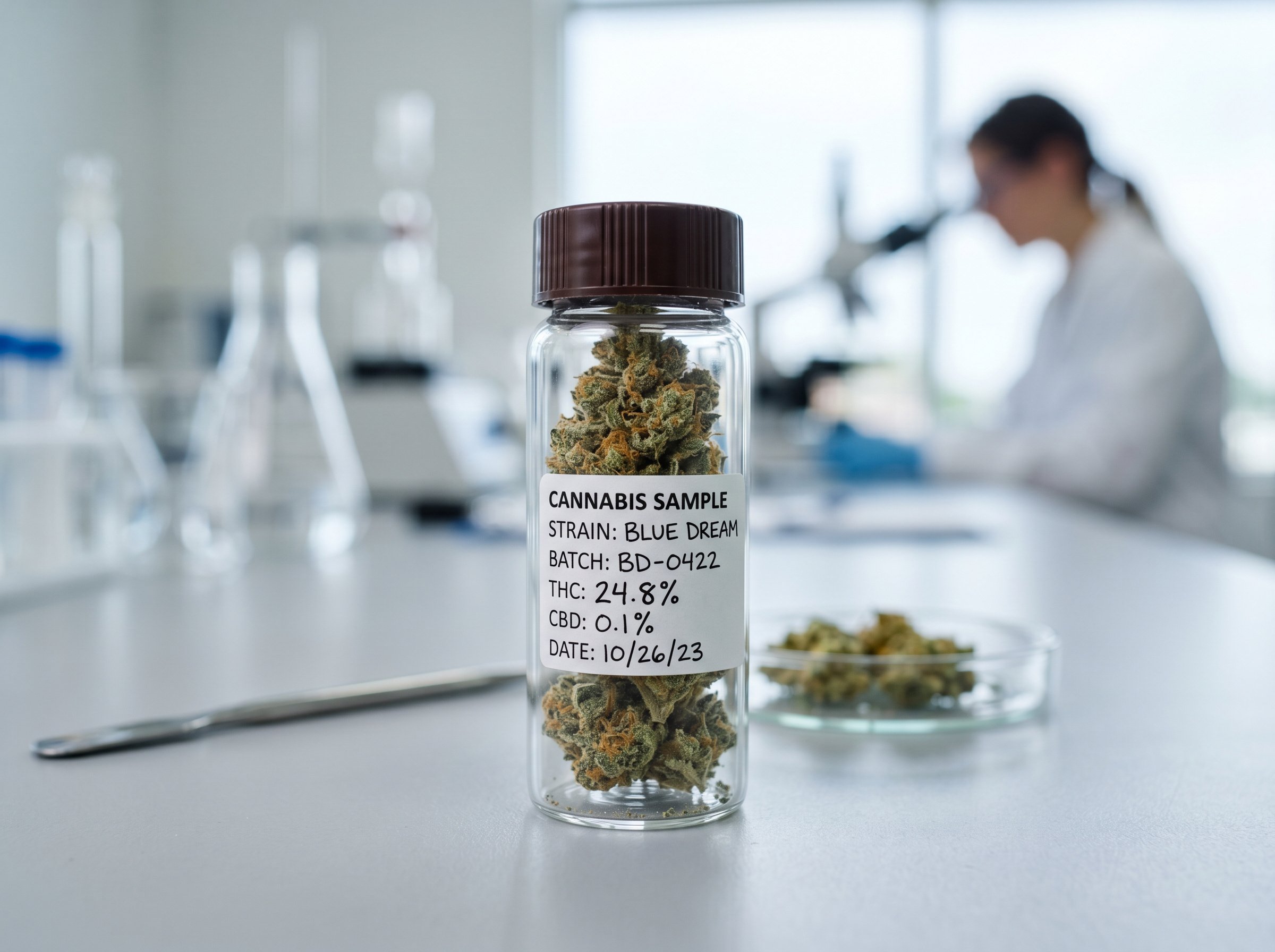
In every practical sense, THCA flower is cannabis flower. It consists of the same dried, cured buds, rich with trichomes, terpenes, and cannabinoids that consumers have used for decades[2]. The experience of purchasing and consuming THCA flower mirrors that of shopping at a traditional dispensary.
The aroma, flavor, and effect character of any THCA flower product are primarily shaped by its terpene profile — the aromatic compounds that work alongside cannabinoids to influence the overall experience[6]. For example:
- A THCA flower strain dominant in myrcene (such as OG Kush lineage strains) tends to deliver earthy, musky notes and a more relaxing, heavy-bodied effect
- Strains dominant in limonene (such as Gelato or Wedding Cake crosses) lean citrusy and uplifting
- Terpinolene-forward strains like Jack Herer crosses often present floral, piney profiles associated with more energetic, clear-headed experiences[6]
Popular THCA flower strains you'll frequently encounter include Bacio Gelato (a Sunset Sherbet × Thin Mint GSC cross), Runtz (Zkittlez × Gelato), and Apple Fritter (Sour Apple × Animal Cookies) — all strains with well-documented terpene profiles and strong consumer followings[4].
Is THCA Flower Legal?
This is where it gets extremely complex, and the legal landscape continues to shift rapidly. The 2018 Farm Bill legalized hemp and hemp-derived products containing less than 0.3% Delta-9 THC on a dry weight basis[3]. Because THCA is technically a different compound from Delta-9 THC, many THCA flower products are currently sold under this framework — the flower tests below 0.3% Delta-9 THC while containing 20–30% THCA.
However, federal and state interpretations vary dramatically. The DEA and some state agencies have indicated that THCA should be evaluated based on its potential to convert to Delta-9 THC, not just its current chemical state[3]. Several states have moved to restrict or ban THCA flower explicitly, while others have issued conflicting guidance.
Critical legal warnings:
- Laws change frequently and vary by state, county, and municipality — what's legal today may not be tomorrow
- This information should never be considered legal advice
- Some jurisdictions may treat THCA flower identically to traditional marijuana regardless of federal hemp frameworks
- Always consult current local regulations and qualified legal counsel before purchasing, possessing, or transporting
- Only buy from retailers who provide current Certificates of Analysis (COAs) from accredited third-party labs[4]
- Legal consequences for possession can be severe — proceed with extreme caution
How Do You Choose the Right THCA Flower Strain?
Choosing a THCA flower strain follows the same logic as choosing any cannabis flower. Start with these three considerations:
- Desired effect character — Look at the terpene profile first. Myrcene and linalool typically accompany more sedating experiences; limonene and pinene tend toward more uplifting ones[6]
- Potency level — If you're newer to cannabis, start with strains in the 18–22% THCA range rather than jumping to 28–30%+ products
- Lab verification — Only purchase THCA flower that comes with a current COA showing cannabinoid content, terpene percentages, and screening for pesticides and heavy metals[4]
Exploring strain databases and reading verified consumer reviews can help you narrow down options that match your preferences before you buy[1].
Conclusion
THCA flower is, in practical terms, cannabis — it carries the full terpene and cannabinoid profile of traditional flower, converts to Delta-9 THC when heated, and delivers comparable experiences to dispensary products. Understanding the distinction between THCA and Delta-9 THC, staying informed about rapidly changing legal landscapes, reading lab reports carefully, and paying attention to terpene profiles are the keys to making informed choices. Ready to explore specific strains? Browse our strain profiles at The Green Leaf to find THCA flower options matched to your experience preferences and desired effects.
Sources
- University of California Agriculture and Natural Resources - Cannabis cultivation research and cannabinoid studies
2. Colorado State University Extension - Plant biochemistry and cannabinoid conversion research
3. Hemp Industry Association - Federal hemp law interpretation and regulatory updates
4. Cannabis Trade Federation - Industry testing standards and market analysis
5. University of Mississippi National Center for Natural Products Research - Decarboxylation studies and cannabis pharmacology research
6. Oregon State University Extension - Terpene research and plant aromatic compound studies