

Quick Answer
Many cannabis users report that strains high in CBD, low-to-moderate in THC, and rich in calming terpenes like linalool and myrcene tend to feel the most relaxing[1]. Popular choices include ACDC, Granddaddy Purple, and Cannatonic. That said, individual responses vary widely — what calms one person may increase anxiety in another[2].
Key Takeaways
- High-THC strains can increase anxiety in some users, especially at higher doses[2]
- CBD-dominant and balanced CBD:THC strains are often better tolerated for stress relief[3]
- Terpenes like linalool, myrcene, and beta-caryophyllene may contribute to calming effects[4]
- Indica-leaning strains are commonly associated with body relaxation, though terpene profile matters more than the indica/sativa label[5]
- Start low and go slow — especially if anxiety is a concern
Introduction
Anxiety affects millions of people, and many turn to cannabis looking for relief from daily stress and tension. But navigating the dispensary menu can feel overwhelming — especially when the wrong choice might make anxiety worse, not better. The good news: understanding a few key factors about cannabinoids and terpenes can help you make a more informed decision. Here's what the research and experienced users suggest.
Why Do Some Strains Feel Calming While Others Don't?
The short answer: cannabinoid ratios and terpenes make a big difference[1].
THC is the primary psychoactive compound in cannabis. At low doses, it can produce feelings of relaxation and euphoria — but at higher doses, THC is well-documented to trigger or worsen anxiety and paranoia in some users[2]. This is why chasing the highest THC percentage isn't a smart strategy if stress relief is your goal.
CBD, on the other hand, doesn't produce a high and has been studied for its potential to support a calmer state of mind[3]. Many users find that a balanced CBD:THC ratio — like 1:1 or even CBD-dominant profiles — feels gentler and more manageable.
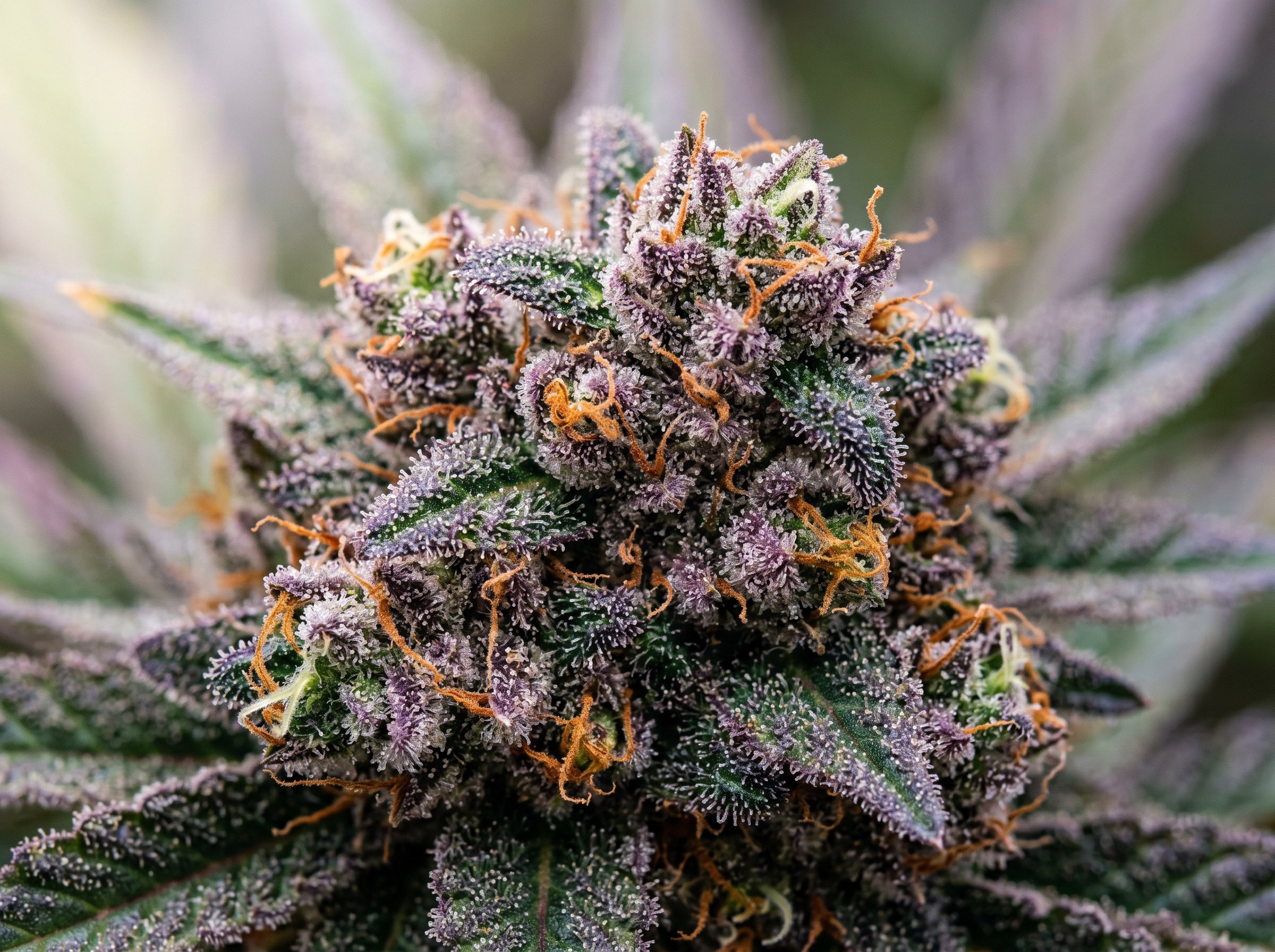
Terpenes also play a supporting role. These aromatic compounds aren't just responsible for flavor and smell — they interact with the body's endocannabinoid system in ways that may enhance or modify cannabis effects[4]. Key terpenes to look for include:
- Linalool – also found in lavender; associated with calming, sedative qualities
- Myrcene – earthy and musky; linked to relaxing, couch-lock effects
- Beta-caryophyllene – spicy and peppery; the only terpene known to directly bind to CB2 receptors[4]
- Limonene – citrusy; often associated with mood elevation and stress reduction
What Are the Best Strains for Anxiety and Stress?
Here are five well-regarded options that consistently appear in patient surveys and dispensary recommendations for stress and anxiety relief[5][6]:
ACDC
A CBD-dominant strain with a CBD:THC ratio that can reach 20:1. ACDC is widely praised for producing clear-headed relaxation without intoxication — making it a top pick for daytime anxiety management[5].
Cannatonic
Another high-CBD strain, often testing around 1:1 CBD:THC. The mild psychoactive effect is easy to control, and many users describe it as grounding and calm[6].
Granddaddy Purple (GDP)
An indica-leaning classic with high myrcene and linalool content. GDP is better suited for evening use — it's deeply relaxing and often chosen for unwinding after a stressful day[5].
Harlequin
A sativa-leaning CBD-rich strain that tends to feel uplifting rather than sedating. It's a good option for daytime stress without mental fog[6].
Blue Dream
One of the most popular strains in the U.S., Blue Dream offers a gentle, balanced high with mood-lifting effects. It's not CBD-dominant, but its moderate THC and high myrcene content make it more forgiving than high-potency options[5].
How Should You Choose the Right Strain for You?
Strain names alone won't tell you everything — batch-to-batch variation is real[1]. Here's a practical approach:
- Ask for a COA (Certificate of Analysis) – This tells you the actual cannabinoid and terpene percentages in the specific product you're buying
- Start with CBD-rich or balanced options if you're new to cannabis or anxiety-prone[3]
- Avoid very high THC concentrates or flower (above 20% THC) if stress and anxiety are your primary concerns[2]
- Choose your consumption method carefully – Edibles have delayed onset and can lead to overconsumption; vaping or smoking allows for easier dose control
- Keep a simple journal – Note the strain, dose, and how you felt. Patterns emerge quickly
Conclusion
Finding the best strains for anxiety and stress is a personal process — but starting with CBD-rich strains, learning to read terpene profiles, and keeping your THC intake moderate gives you the best foundation. ACDC, Cannatonic, Harlequin, Granddaddy Purple, and Blue Dream are all solid starting points backed by consumer data and cannabinoid science. As always, this is educational information — consult a healthcare provider if you're managing a diagnosed anxiety condition. And remember: less is often more when it comes to cannabis and stress relief.
Sources
- Project CBD - Cannabinoid science, terpene research, and clinical education resources
2. National Institutes of Health – NCBI - Peer-reviewed research on THC, anxiety, and dose-dependent cannabis effects
3. Harvard Health Publishing - Evidence-based overview of CBD and its potential effects on stress and anxiety
4. Journal of Cannabis Research - Peer-reviewed studies on terpene pharmacology and the entourage effect
5. Leafly - Cannabis strain database, consumer reviews, and dispensary terpene data
6. NORML - Patient survey data, cannabis use reports, and strain efficacy research summaries