
Quick Answer
High CBD, low THC strains typically contain 10–20%+ CBD and under 1% THC, delivering calming, clear-headed effects without the intoxicating "high" associated with THC-dominant cannabis[1]. They're popular among consumers seeking the potential wellness benefits of cannabinoids while staying mentally clear and functional[2].
Key Takeaways
- High CBD strains generally contain a CBD:THC ratio of 20:1 or higher, minimizing psychoactive effects
- The entourage effect means CBD works alongside terpenes and minor cannabinoids for a more complete experience[3]
- Popular terpenes in CBD-dominant strains include myrcene, caryophyllene, and linalool
- These strains are available as flower, oils, and capsules — making them accessible for many consumer types
- Always verify lab-tested COA (Certificate of Analysis) data before purchasing any CBD-dominant product[4]
Introduction
Not every cannabis consumer is looking for an intense psychoactive experience. This high CBD low THC strains guide explores varieties that offer the plant's broader cannabinoid profile without significant impairment. Whether you're new to cannabis, sensitive to THC, or simply prefer a more grounded experience, this guide breaks down the top strains, their cannabinoid profiles, and what to expect[1].
What Are High CBD Low THC Strains?
High CBD, low THC strains are cannabis varieties selectively bred to produce elevated levels of cannabidiol (CBD) while keeping tetrahydrocannabinol (THC) levels minimal — typically below 1%[2]. This cannabinoid ratio means the intoxicating effects of THC are largely absent, while the calming, non-intoxicating properties of CBD remain prominent[3].
These strains often trace their genetics back to industrial hemp lineages crossed with high-resin cannabis varieties. Notable parent genetics include Cannatonic, Ruderalis, and ACDC — all foundational to the modern CBD-dominant breeding movement[5].
How CBD and THC Interact
CBD and THC interact with the body's endocannabinoid system differently. THC binds directly to CB1 receptors in the brain, producing psychoactive effects[1]. CBD has a much lower binding affinity for CB1 receptors and may actually modulate THC's effects when both are present[3]. In low-THC strains, this means virtually no intoxication — just the nuanced effects of CBD and accompanying terpenes.
What Are the Best High CBD Low THC Strains?
Here are the top-recommended high CBD, low THC strains based on cannabinoid data, consumer feedback, and terpene profiles[4][5]:
| Strain | Type | THC% | CBD% | Best For | Key Terpene |
|---|---|---|---|---|---|
| ACDC | Hybrid | <1% | 14–20% | Calm focus, everyday use | Myrcene |
| Harlequin* | Sativa-dominant Hybrid | 4–7% | 8–16% | Mild uplift, social ease | Myrcene |
| Cannatonic | Hybrid | 2–4% | 12–17% | Relaxation, balance | Myrcene |
| Charlotte's Web | Indica-dominant Hybrid | <0.3% | 13–20% | Gentle calm, sensitive users | Caryophyllene |
| Ringo's Gift | Hybrid | <1% | 15–24% | Deep relaxation, high-ratio CBD | Myrcene |
| Elektra (Hemp) | Sativa-dominant Hybrid | <0.3% | 14–20% | Clear-headed calm, aroma | Myrcene, Farnesene |
| Sour Space Candy | Sativa-dominant Hybrid | <0.3% | 16–20% | Mood lift, daytime use | Myrcene, Caryophyllene |
*Note: Harlequin contains moderate THC levels (4-7%) and may produce mild psychoactive effects, making it a bridge strain between high-THC and pure CBD varieties[4].
ACDC
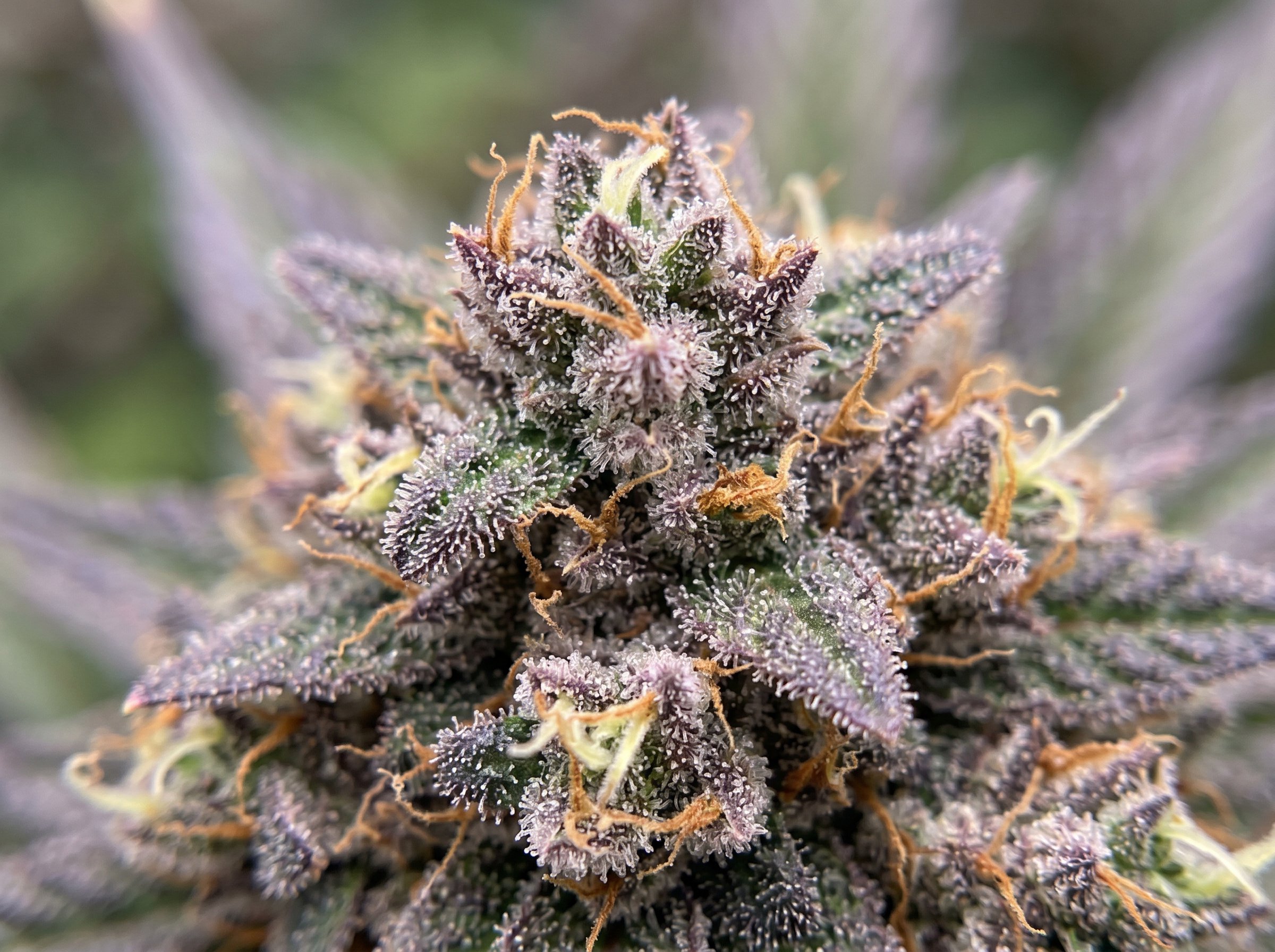
ACDC is arguably the most well-known high-CBD strain in existence. A phenotype of Cannatonic, it consistently tests at 14–20% CBD with THC below 1%, delivering one of the cleanest CBD experiences available[5]. Its dominant terpene is myrcene, contributing an earthy, herbal aroma. Consumers report feeling calm and clear-headed — functional throughout the day without sedation.
Harlequin
Unique among CBD-dominant strains, Harlequin carries a moderate THC level of 4–7% alongside 8–16% CBD — creating a mild, approachable effect that's slightly more dynamic than pure CBD strains[4]. Its sativa-dominant genetics (Colombian Gold, Thai, Swiss Sativa lineage) support a gentle uplift. Myrcene leads the terpene profile, with earthy and mango-like notes.
Cannatonic
A foundational breeding strain, Cannatonic (MK Ultra × G13 Haze) typically tests at 12–17% CBD and 2–4% THC[5]. Its balanced ratio produces mild relaxation without heaviness. Myrcene is primary, giving it an earthy, slightly woody scent. It's well-suited for those transitioning from CBD isolate products to whole-flower experiences.
Charlotte's Web
Developed by the Stanley Brothers, Charlotte's Web is one of the most recognized CBD hemp cultivars globally, testing under 0.3% THC with 13–20% CBD[6]. Caryophyllene is a key terpene here, adding a subtle spice and potential complementary effects. Its indica-dominant profile translates to a quietly calming experience ideal for evening use or for highly THC-sensitive consumers.
Ringo's Gift
Named after cannabis activist Lawrence Ringo, this strain (ACDC × Harle-Tsu) can reach CBD:THC ratios as high as 24:1, with CBD levels of 15–24%[4]. It's among the highest-ratio CBD strains available in dispensaries. Myrcene dominates the profile, and consumers consistently describe a deeply grounding, serene effect.
What Terpenes Should You Look for in High CBD Low THC Strains?
Terpenes play a significant role in shaping the experience of any cannabis strain — including CBD-dominant ones[3]. In high-CBD strains, these terpenes appear most frequently:
- Myrcene — Earthy, musky, and the most common cannabis terpene; associated with calming, sedative-leaning effects[2]
- Caryophyllene — Spicy, peppery; the only terpene known to interact directly with CB2 receptors[1]
- Linalool — Floral, lavender-like; found in strains like Elektra and linked to relaxing sensory experiences
- Farnesene — Fresh, green apple-like; present in hemp cultivars like Elektra; considered a minor but notable terpene
- Pinene — Pine-forward; may support alertness and is present in some sativa-leaning CBD strains[3]
When shopping for a high-CBD strain, reviewing the full terpene panel on a lab report gives you a much more complete picture than cannabinoid percentages alone[4].
How Do You Choose the Right High CBD Low THC Strain for You?
Choosing between these strains comes down to a few key factors:
- Desired THC level — If you want zero psychoactive effect, look for strains under 0.3% THC (ACDC, Charlotte's Web, Ringo's Gift). If a slight edge is acceptable, Harlequin or Cannatonic offer a gentler spectrum[4].
- Time of day — Myrcene-heavy strains like Ringo's Gift tend to feel more evening-appropriate. Sativa-leaning CBD strains like Sour Space Candy or Harlequin suit daytime use better[2].
- Delivery format — High CBD flower gives the fullest terpene experience; CBD oils and capsules offer easier dosing for beginners[6].
- Lab testing — Always purchase from brands or dispensaries that provide third-party COA documentation[4]. CBD percentages vary significantly batch to batch.
Conclusion
High CBD, low THC strains represent one of the most approachable entry points into cannabis for new consumers, and a reliable daily option for experienced users who prefer clarity over intoxication[1]. Strains like ACDC, Ringo's Gift, and Charlotte's Web deliver consistent, lab-verified CBD experiences — and understanding the terpene profiles behind them helps you fine-tune your choice further. Start with a strain that matches your THC comfort level and time-of-day needs, verify the COA, and explore from there[4].
Sources
- National Center for Biotechnology Information (NCBI) - Peer-reviewed research on cannabinoids, endocannabinoid system, and CB1/CB2 receptor interactions
2. University of California Agriculture and Natural Resources - Cannabis cultivation research, terpene analysis, and agricultural breeding programs
3. Colorado State University Extension - Hemp and cannabis research, entourage effect studies, and cannabinoid interaction data
4. Journal of Cannabis Research - Peer-reviewed studies on cannabis genetics, cannabinoid profiles, strain development, and laboratory testing standards
5. University of Vermont Extension - Industrial hemp cultivation, CBD strain genetics, and agricultural breeding research
6. Cannabis Business Times - Industry cultivation standards, product testing protocols, and commercial strain development