

Quick Answer
Organic cannabis soil preparation involves blending a well-draining base mix with natural amendments like compost, worm castings, and perlite to create nutrient-rich, biologically active growing media. A properly prepared organic soil feeds plants slowly and naturally, reducing the need for synthetic nutrients. Getting the mix right before planting is the single most important step for a healthy, high-quality organic grow.
Key Takeaways
- A balanced organic soil mix should have a pH between 6.0 and 7.0 for optimal cannabis nutrient uptake
- Worm castings, compost, and mycorrhizal fungi are foundational organic amendments for cannabis
- Good drainage is essential — aim for 20–30% perlite or pumice in your mix
- Organic soils benefit from a 2–4 week "cooking" period before planting to activate microbial life
- Living soil builds on itself — each grow cycle can improve the next with proper amendments
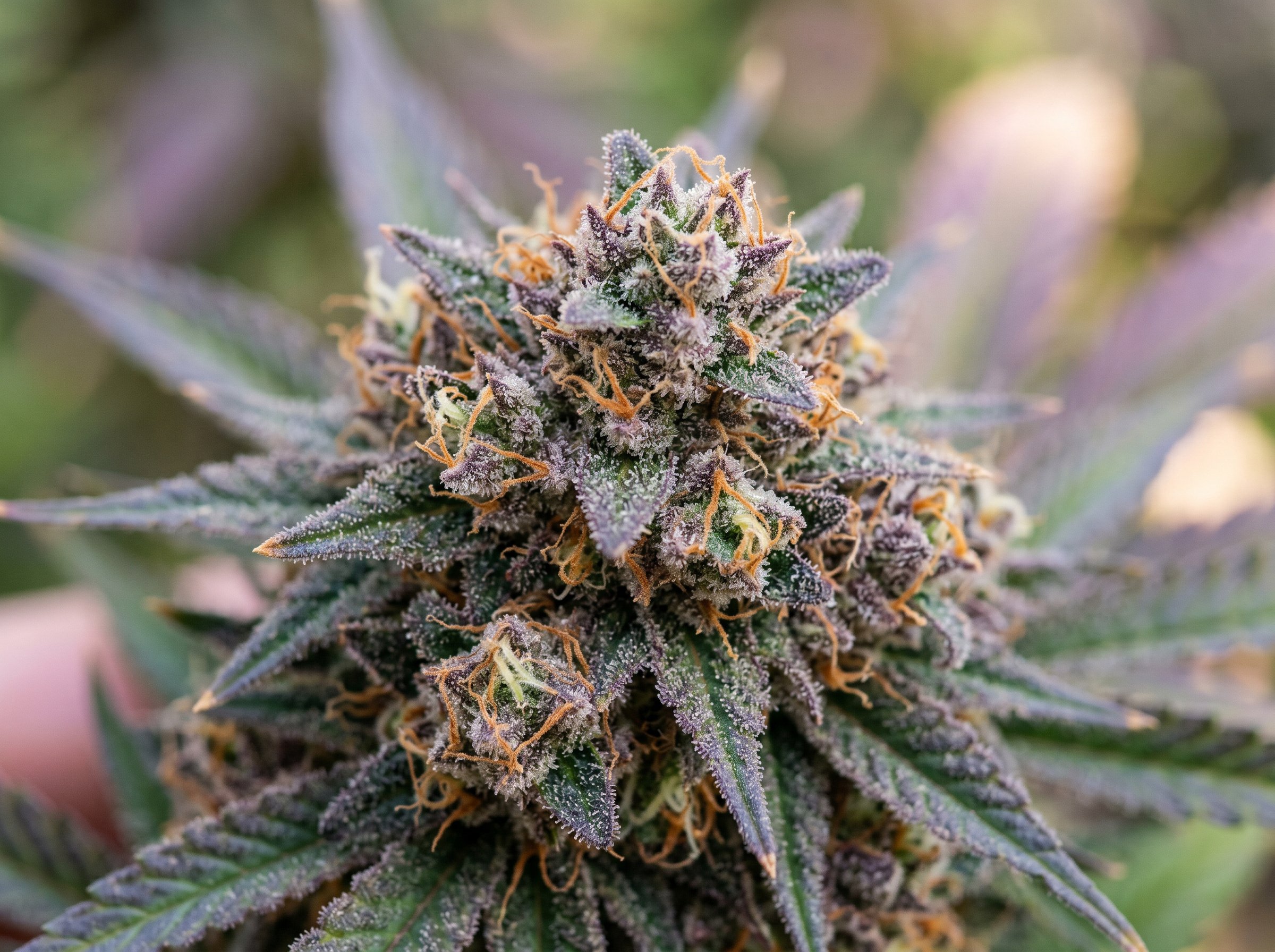
Introduction
Growing cannabis organically starts from the ground up — literally. Proper organic cannabis soil preparation determines everything from root health to terpene expression and final yield[1]. Unlike synthetic growing methods, organic cannabis cultivation relies on a thriving soil ecosystem where beneficial microbes break down organic matter and deliver nutrients directly to plant roots[2]. Whether you're a first-time grower or looking to level up your setup, building your own organic soil mix is one of the most rewarding and cost-effective approaches available.
What Does Cannabis Need from Organic Soil?
Cannabis has specific soil requirements that differ from many common garden plants. Understanding these basics helps you build a mix that supports every growth stage — from seedling to harvest.
Ideal Soil Structure and pH
Cannabis roots need oxygen as much as water. A well-aerated, loamy soil with good water retention and fast drainage prevents root rot and allows microbial activity to thrive[3]. The target pH range for organic cannabis soil is 6.0 to 7.0, with 6.3 to 6.8 considered the sweet spot for maximizing nutrient availability[4].
The Role of Soil Biology
Organic growing leans on biology, not chemistry. Mycorrhizal fungi form symbiotic relationships with cannabis roots, dramatically increasing their effective surface area and improving phosphorus uptake[1]. Beneficial bacteria like Bacillus subtilis help suppress pathogens and fix nitrogen from the air into plant-available forms[2]. These relationships are destroyed by synthetic fertilizers and pesticides — which is exactly why organic soil preparation matters.
How to Prepare Organic Cannabis Soil Step by Step
This is where your grow is won or lost. Building a balanced, living soil mix takes about 30–60 minutes of hands-on work plus a few weeks of "cooking" time before it's ready for plants.
Step 1 — Choose Your Base Mix
Start with a high-quality organic potting mix as your foundation. Look for products that are peat- or coco coir-based with no synthetic fertilizers added[5]. Avoid mixes with time-release chemical nutrients, which interfere with organic biology.
Step 2 — Add Your Core Amendments
This is your nutrient engine. Mix these into your base soil:
- Worm castings (10–20% of total volume) — Adds microbial life, humic acids, and slow-release nutrients[2]
- Compost (10–15%) — Provides a broad spectrum of macro and micronutrients[6]
- Perlite or pumice (20–30%) — Ensures drainage and root-zone aeration[3]
- Mycorrhizal inoculant — Added at transplant time directly to the root zone[1]
Step 3 — Add Mineral and Organic Nutrient Boosters
For a complete living soil, add these dry amendments per cubic foot of mix:
- Kelp meal (½ cup) — Supplies micronutrients and natural growth hormones[5]
- Neem cake or neem meal (½ cup) — Adds slow-release nitrogen and natural pest deterrence[7]
- Dolomite lime (1 cup) — Buffers pH and supplies calcium and magnesium[4]
- Rock phosphate (½ cup) — Slow-release phosphorus for root development and flowering[6]
Step 4 — Cook Your Soil
Once mixed, moisten your soil to about 60% moisture (it should clump without dripping), cover with a breathable cloth or loose lid, and let it sit for 2 to 4 weeks in a warm location[2]. This "cooking" period allows microbial populations to multiply and begin breaking down amendments into plant-available forms[8]. Stir the mix every few days and keep it slightly moist throughout.
Why Does Organic Soil Produce Better Results?
Organic growing consistently produces cannabis with richer terpene profiles compared to synthetically grown plants, largely because a living soil ecosystem supports the full range of metabolic processes in the plant[1][5]. Organic matter also improves soil structure over time — each successive grow in a well-maintained living soil builds microbial diversity and nutrient density, making your soil more effective with each cycle[3].
The environmental benefits are real too. Organic growing reduces chemical runoff, supports biodiversity in your growing environment, and produces less chemical waste than synthetic nutrient programs[8][9].
Conclusion
Building great organic cannabis soil doesn't require expensive equipment or advanced expertise — just the right ingredients, a little patience, and an understanding of what your plants need. Start with a quality base, add diverse organic amendments, and give your mix time to come alive before planting[2]. Your cannabis plants will reward you with vigorous growth, resilient health, and a final product that reflects the care you put into the foundation. Ready to get started? Source your amendments from a local garden center or organic grow supply shop and mix your first batch this week.
Sources
- Cornell Cooperative Extension - Mycorrhizal fungi research and soil biology for specialty crop cultivation
2. University of Vermont Extension - Organic soil management and beneficial microorganism studies
3. North Carolina State Extension - Soil structure, drainage, and aeration guidelines for container growing
4. Penn State Extension - Soil pH management and lime application rates for horticultural crops
5. Espoma Organic - Organic amendments and kelp meal nutrient analysis research
6. Oregon State University Extension - Composting methods and nutrient cycling in organic growing systems
7. OMRI - Organic Materials Review Institute - Certified organic inputs and neem-based soil amendment guidelines
8. Rodale Institute - Long-term organic farming systems research and soil health studies
9. USDA Natural Resources Conservation Service - Sustainable agriculture practices and environmental impact assessments